Skin is the largest organ of the body covering all internal structures. Skin has many functions though its takes lightly. Skin functions are cover protecting ours from harsh climate. It improves seriation in the body and cools the body it also expels the toxins from the body. In the form of sweat apart from this general functions skin different functions of the body also have a different function. Skin of souls thicker and circular to allows walk on the hard surface skin of the body hairy to protect from the dust, chemical and toxics. Skin has melanocytes which give the colour of skin. The skin types from 1-5 as decided according to the melanocytes content of the skin. This is also the reason why the skin of colour response differently to different climate.
BEAUTIFY YOUR SKIN THIS SUMMER
1. Exfoliate your body
The ground rule of basic skincare is to exfoliate your skin. Your body sheds skin cells at an amazing rate every minute of every day. If you don’t get rid of them, they’ll just set in on your skin making you look dull and dry. No matter how much lotion you use, you’re never going to have glowing skin if you don’t exfoliate. Grab a body scrub and hit the shower. Gently rub your exfoliator in circular movements on your entire body from the shoulders down (you’ll want a facial exfoliator for your face and neck) and rinse clean. Continue to do this 2-3 times a week for year-round beautiful skin.
2. Sunscreen is a must

Throw away last year’s unused sunscreen for a new bottle. Sunscreens aren’t meant to last forever, and seeing most people don’t use as much as they should. Buy a new sunscreen that has UVA and UVB products and comes in SPF 30 and SPF 70. You should be using a shot glass full for your body and a full teaspoon just on your face. Reapply it every 1-2 hours that you are in the sun to ensure a summer full of safe sun fun.
3. Make water your best friend
At least 8 glasses of water are needed. If possible, carry a water bottle with you and remember to drink at least once every 30 min. Water not only helps you feel fresh, but it also prevents dehydration and will help wash out a lot of toxins.
4. Hydrate your body with a lotion
Find a summery lotion that you won’t forget to put on. It’s time to pack away your thick winter body butters for more light summery lotions. You don’t have time to wait for your lotion to sink in, so look for something light fast absorbing. Gels and purees are perfect fast absorbers. Nothing spells summer more than a light refreshing fruity lotion. Make sure you apply right after you dry off from your shower. You need to seal in the moisture your body just soaked in.
5. Summer glow
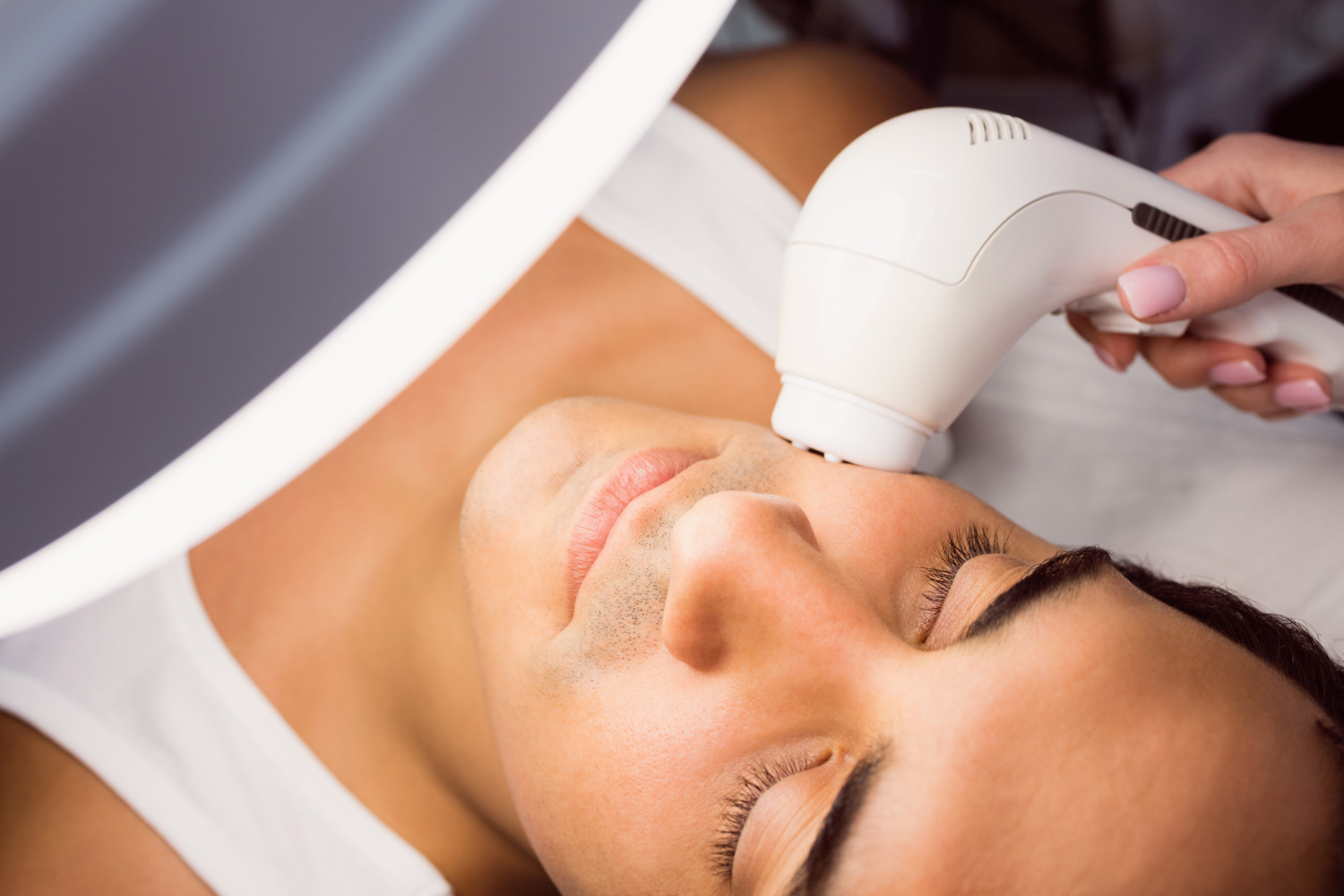
You have so many choices when it comes to adding a little summer tint to your skin, and the tanning bed shouldn’t be one of them. You can add explonetion & hydration in gently way and this is called hydra facials it works in from summers.
How Does Summer Affect Your Skin?
As the weather gets warmer and humidity increases in the environment, your skin’s sebaceous glands start producing excess sebum (natural oil). The oil secreted gets stuck on the surface of the skin, leading to stickiness, grease and blocked pores.
Acne breakouts are the most common problem that occur in summer. People with oily skin are more prone to it as the bacteria and oils in the skin mix with the sweat causing clogged pores and acne.
When your skin is exposed to the harmful UV rays, melanin production increases in order to protect your skin from sun damage. Melanin has photoprotective qualities. Excess melanin results in darker, tanned skin. Other problems can include itchy skin, prickly heat, sunburn and rash due to sensitivity to the sun.
How to Take Care of Your Skin in Summer?
- Face Wash to Remove Excess Oil

In summer, oily skin can get more oily. Use a face wash suited to your skin type that can deep cleanse and remove all the dirt and grime. People with dry skin would need a non-foaming cleanser. Opt for mild, alcohol-free and pH balanced cleansers.
- Opt For A Good Skin Care Routine
Maintain a skin care regimen and follow it religiously. Choose gel-based (for dry skin) and water based (for oily skin) rather than cream-based products as the former are lighter and non-greasy. Cleansing, toning and moisturizing twice a day will help keep your skin clean and fresh.
- Include Antioxidants In Your Skin Care Regime
Antioxidant serums work wonders to hydrate your skin. Besides, they protect your skin from environmental damage, help to boost collagen, and scavenge free radicals to prevent damage to skin. Include a good antioxidant serum in your summer skincare routine. Alternatively, you can add it to your diet by stocking up on citrus fruits, green leafy vegetables, green tea, etc.
“Vitamin C serum is a good option for a summer skincare routine. It is beneficial during summer. Vitamin C is a potent antioxidant, a free radical scavenger that protects your skin from oxidant-induced damages and helps in reducing the pigmentation caused by harmful UV rays.”
- Keep Your Skin Hydrated
Hydration is key at all times during summer. You can use a hydrating face mask after you wash your face at night for some extra hydration while you sleep. Splash your face frequently with water or carry a facial mist to freshen your skin at regular intervals.
- Exfoliate For Healthy Skin
Use a face scrub at least twice a week to remove excess dirt and oil from the skin. Only, remember to use a scrub suitable for your skin type and massage the scrub gently in a circular motion. Make sure you exfoliate the lips and the neck too.
An itchy rash or sunburned skin can quickly sideline summer fun. You can help keep your days carefree and easygoing by learning how to prevent these summer skin problems.
- Acne breakouts: When sweat mixes with bacteria and oils on your skin, it can clog your pores. If you have acne-prone skin, this often means breakouts. Dermatologists recommend the following to help prevent acne:

-
- Blot sweat from your skin with a clean towel or cloth. Wiping sweat off can irritate your skin, which can lead to a breakout.
- Wash sweaty clothes, headbands, towels, and hats before wearing them again.
- Use non-comedogenic products on your face, neck, back, and chest. The label may also say “oil free” or “won’t clog pores.”
PREVENT ACNE BREAKOUTS
Blot sweat from your skin with a clean towel or cloth. Wiping sweat off can irritate your skin, which can lead to a breakout.
- Dry, irritated skin. When outdoor air is hot and humid, you can still have dry irritated skin. The biggest culprits are spending time in the sun, pool, and air-conditioning. If your skin starts to feel dry and irritated despite the humidity, try these tips:
-
- Shower and shampoo immediately after getting out of the pool, using fresh, clean water and a mild cleanser or body wash made for swimmers.
- Apply sunscreen before going outdoors, using one that offers broad-spectrum protection, SPF 30+, and water resistance.
- Use a mild cleanser to wash your skin. Soaps and body washes labeled “antibacterial” or “deodorant” can dry your skin.
- Take showers and baths in warm rather than hot water.
- Slather on a fragrance-free moisturizer after every shower and bath. Moisturizer works by trapping water in your skin, so you’ll need to apply it within 5 minutes of taking a shower or bath.
- Carry moisturizer with you, so you can apply it after washing your hands and when your skin feels dry.
- Turn up the thermostat if the air conditioning makes your home too dry.
PREVENT DRY, IRRITATED SKIN

Shower and shampoo immediately after getting out of the pool, using fresh, clean water and a mild cleanser or body wash made for swimmers.
- Every hair on your body grows out of an opening called a follicle. When follicles get infected, you develop folliculitis. Infected hair follicles look like pimples, but they tend to be itchy and tender. To reduce your risk of getting folliculitis this summer:
-
- Immediately after your workout, change out of tight workout clothes like biking shorts and shower.
- Stay out of hot tubs and whirlpools if you’re unsure whether the acid and chlorine levels are properly controlled.So many people get folliculitis from a hot tub that there is actually a condition called “hot tub folliculitis.”
- Wear light-weight, loose-fitting clothes when it’s hot and humid.
- Infection from a manicure or pedicure: Manicures and pedicures can leave your nails looking great, but they can also expose you to germs that can cause an infection.
You don’t have to give up manicures and pedicures. Taking some precautions can help you avoid an infection.
INFECTION FROM A MANICURE OR PEDICURE
Manicures and pedicures can leave your nails looking great, but they can also expose you to germs that can cause an infection. Find out what dermatologists recommend.
- Being out in the sun can make those brown to gray-brown patches on your face more noticeable.
- Poison ivy, oak, and sumac (rash): Many people develop an intensely itchy rash when a substance found in these plants, urushiol, gets on their skin.
The best way to avoid this itchy rash is to learn what these plants look like and avoid them.
POISON IVY, OAK, AND SUMAC RASH
Many people develop an intensely itchy rash when a substance found in these plants, urushiol, gets on their skin. The best way to avoid it is to learn what these plants look like.
- Prickly heat (or heat rash). Blocked sweat glands cause this. Because the sweat cannot get out, it builds up under your skin, causing a rash and tiny, itchy bumps. When the bumps burst and release sweat, many people feel a prickly sensation on their skin.Anything you can do to stop sweating profusely will help reduce your risk. Tips that dermatologists offer to their patients to help them sweat less and thereby lessen their risk of getting prickly heat include:
-
- Wear light-weight, loose-fitting clothes made of cotton.
- Exercise outdoors during the coolest parts of the day or move your workout indoors where you can be in air-conditioning.
- Try to keep your skin cool by using fans, cool showers, and air-conditioning when possible.
- Seabather’s eruption also called pica-pica: This itchy rash develops in people who go in the Caribbean Sea and the waters off the coasts of Florida and Long Island, New York. You get it when newly hatched jellyfish or sea anemones get trapped between your skin and your swimsuit, fins, or other gear.The larvae are as small as a speck of pepper, so you won’t see them in the water. You can, however, prevent this rash if you:
-
- Stay out of infested water. When the water is infested, you may see a sign that tells you to stay out of the water, or you may hear about someone who recently developed an itchy rash after being in the water.
SEABATHER’S ERUPTION
This itchy rash develops in people who go in the Caribbean Sea and the waters off the coasts of Florida and Long Island, New York.
Caution
If your skin stings with brisk rubbing, stop. You (or your child) may have seabather’s eruption.
- Sun allergy. You can develop hives (an allergic skin reaction) when you’re in the sun if you:
-
- Take certain medications
- Have a sun sensitivity (usually runs in the family)
If you have an allergic reaction to the sun, you’ll see red, scaly, and extremely itchy bumps on some (or all) bare skin. Some people also get blisters.
To prevent an allergic skin reaction:
-
- Check your medication container (or ask your pharmacist) to find out if it can cause an allergic reaction when you go out in the sun. Medications that can cause an allergic sun reaction include ketoprofen (found in some pain meds) and these antibiotics — tetracycline, doxycycline, and minocycline. If the medicine can cause a reaction, stay out of the sun.
- Protect your skin from the sun. You can do this by seeking shade, wearing sun-protective clothes, and applying sunscreen that offers broad-spectrum protection, water resistance, and an SPF of 30 or more.
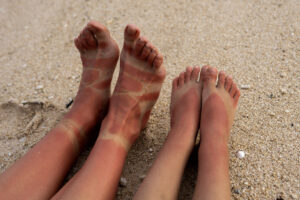
- Getting sunburn can spoil summer fun and increase your risk of developing skin cancer. Here’s what you can do to prevent sunburned skin:
-
- Seek shade
- Wear a wide-brimmed hat, sunglasses, long sleeves, and pants when possible
- Apply sunscreen that offers broad-spectrum protection, SPF 30+, and water resistance
PREVENT SUNBURN
Seek shade, wear a wide-brimmed hat, sunglasses, long sleeves, and pants when possible.
- Swimmer’s ear: When water gets trapped in your ear canal, you can develop an infection called swimmer’s ear.You can prevent this infection by keeping your ears dry. Here’s what dermatologists recommend:
-
- Wear ear plugs while swimming
- Never clean your ears with cotton swabs because these can push earwax and dirt deeper into your ear canal and irritate your ear
PREVENT SWIMMER’S EAR
You can prevent this infection by keeping your ears dry: Wear earplugs while swimming.
- Swimmer’s itch also called clam digger’s itch: This itchy rash appears after wading or swimming in lakes, oceans, and other bodies of water. You get it when parasites in the water burrow into your skin, causing tiny red spots on areas that your swimsuit didn’t cover. Sometimes, intensely itch welts (hives) and blisters appear.Children are especially susceptible because they tend to stay in shallow, warmer water.You can prevent swimmer’s itch by taking the following precautions:
-
- Stay out of infested water. When the water is infested, you may see a sign that tells you to stay out of the water, or you may hear about someone who recently developed an itchy rash after being in the water.
- Briskly rub your skin (and your child’s skin) with a towel after getting out of the water. The parasites start to burrow when the water on your skin begins evaporating not while you’re in the water.
STAY OUT OF INFESTED WATERS TO PREVENT SWIMMER’S ITCH
When the water is infested, you may see a sign that tells you to stay out of the water, or you may hear about someone who recently developed an itchy rash after being in the water.
When to call a dermatologist
While these summer skin problems can dampen your fun, they’re usually not serious. Most go away in a few days to a few weeks. If a rash or other skin problem lingers or worsens, you should call your dermatologist’s office.