Most women spend weeks researching breast augmentation surgery—reading before and after galleries, comparing clinics, and watching procedure videos. And then they walk into a consultation and nod along to everything the surgeon says without asking a single difficult question. You don’t want to seem like you’re challenging the doctor. You’re nervous. You want to like the person who’s about to operate on you.
But here’s the truth: the questions you don’t ask in that room are the ones that come back to haunt you later. A surgeon worth choosing welcomes difficult questions—because the right answers build genuine trust, not just reassurance.
At Ojas Aesthetic, Kavuri Hills, Madhapur, Dr. V.K. Srinagesh—a plastic surgeon with 35+ years of experience and one of the most trusted names for breast enhancement in Hyderabad—encourages every patient to come to their consultation prepared. This blog gives you the seven questions that actually matter, along with what a good answer looks like.
Question 1: Are You Qualified and Experienced in Performing Cosmetic Breast Surgery?

This is the first question — and the non-negotiable one.
Cosmetic surgery is a field where marketing can outpace credentials. The fact that someone performs breast augmentation surgery in Hyderabad doesn’t automatically mean they’re trained in plastic and reconstructive surgery specifically. There is a significant difference between a general surgeon who occasionally performs cosmetic procedures and a board-qualified plastic surgeon with dedicated training in breast surgery.
What you want to hear: formal plastic surgery training at recognized institutions, a clear breakdown of how many breast augmentation procedures they’ve performed, and specific experience with your procedure type — whether implants, fat grafting, or a combination.
What Dr. V.K. Srinagesh brings: an MBBS from SCB Medical College, an MS (General Surgery) from MKCG Medical College, and an MCh (Plastic Surgery) from Madras Medical College—one of India’s most respected plastic surgery programs—followed by advanced international training in breast reconstruction, fat grafting, and liposculpture. Over 35 years of surgical experience, including hundreds of breast enhancement procedures at his plastic surgery clinic in Hyderabad.
That’s the kind of answer you’re looking for. If the response is vague, deflective, or heavy on testimonials and light on credentials — pay attention to that.
Question 2: What Surgical Approach Is Best Suited to Your Body?
The right procedure for someone else may be completely wrong for you.
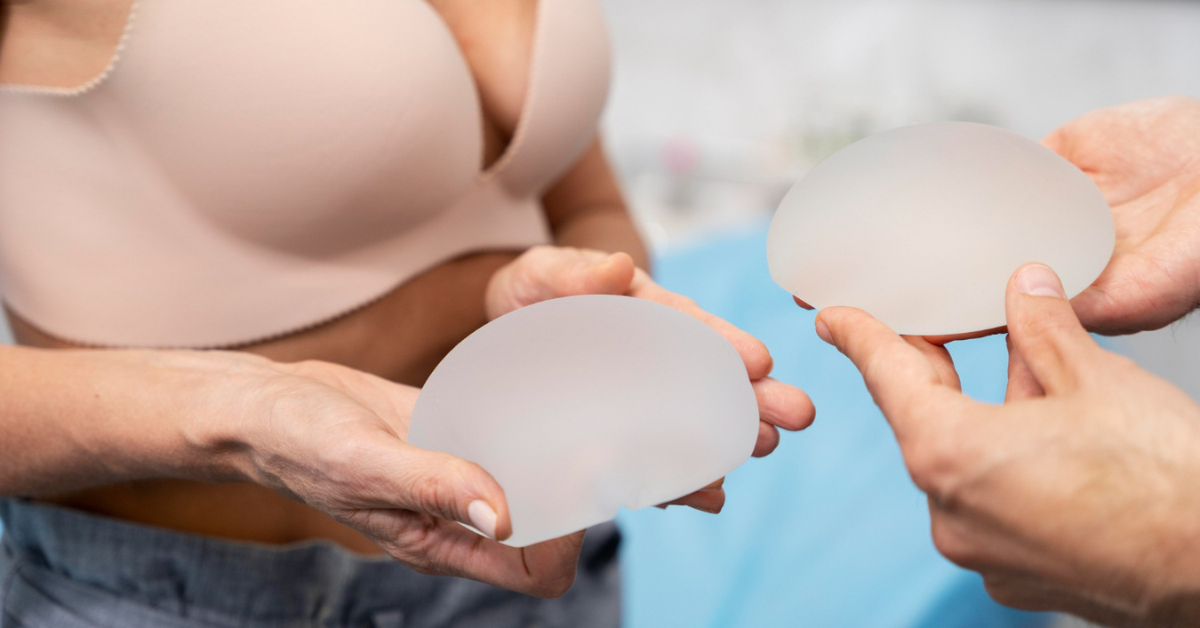
Breast augmentation surgery in Hyderabad is not one-size-fits-all. The implant type, size, shape, surface, placement position, and incision location all interact with your specific anatomy — chest width, existing breast tissue, skin elasticity, nipple position, and your lifestyle. A surgeon who gives every patient the same recommendation regardless of anatomy is not approaching this with the care it requires.
Good surgeons take measurements. They assess tissue quality. They discuss where implants will sit relative to your natural breast base. They explain why sub-muscular placement might suit you better than sub-glandular, or vice versa. They explain why a round implant might give you better projection than an anatomical one, given your chest shape.
Questions to push further with here:
- What implant profile would balance my proportions rather than just adding volume?
- Would fat grafting give me adequate results, given my body composition?
- Is a hybrid approach (fat + implant) worth considering in my case?
- Where would my incisions be placed and why?
At Ojas Aesthetic, the consultation for breast enhancement in Hyderabad includes detailed measurements and a thorough anatomical assessment before any implant sizing or surgical planning begins. You should never leave a consultation with a vague “we’ll figure it out on the day” answer to this question.
Question 3: What Are the Long-Term Implications of This Decision?
Breast augmentation is not a permanent, maintenance-free procedure — and understanding this upfront changes everything.
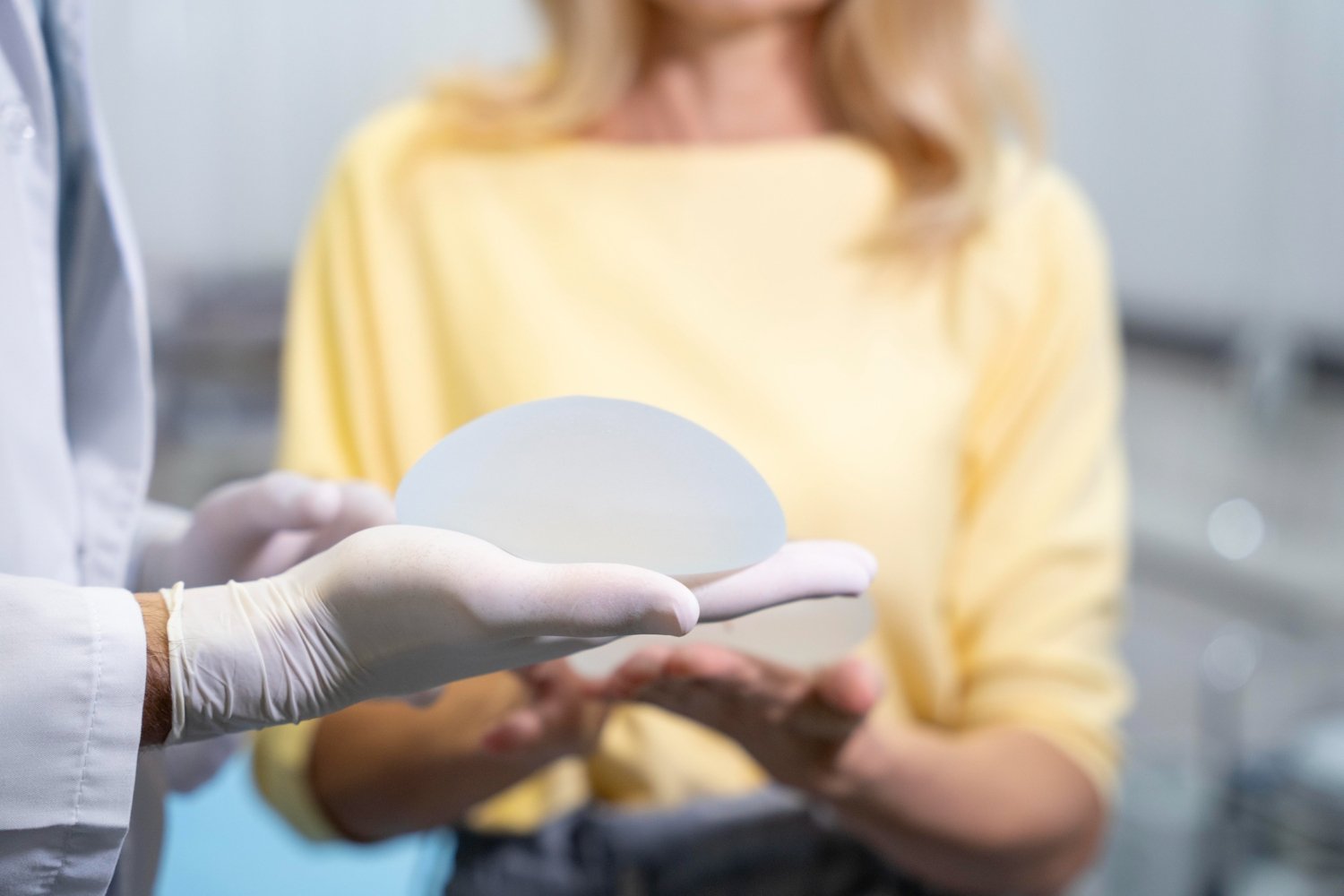
Implants are long-lasting but not lifetime devices. Most silicone implants perform well for 10–15 years or longer, but they may eventually need to be replaced or removed — whether due to natural ageing of the device, capsular contracture, or simply a change in your preferences over time. This means your decision today is the beginning of a longer relationship with the procedure, not a single event.
Other long-term considerations worth raising:
- Pregnancy and breastfeeding — will implant placement affect your ability to breastfeed? (Typically no, particularly with inframammary or transaxillary incisions, but this depends on individual anatomy.)
- Weight fluctuations — significant weight gain or loss can affect how implants look relative to surrounding tissue
- Future revision surgery — what does a revision involve, and what are the reasons it might be needed?
- Mammograms — implants can affect imaging; let your radiologist know you have implants and ensure you attend regular screenings
- Capsular contracture monitoring — what are the early signs and what’s the protocol if it occurs?
A surgeon who genuinely has your long-term interests in mind will bring most of these up without prompting. If they don’t — ask.
Question 4: What Risks Are Personally Relevant to You?
Every breast augmentation surgery carries a standard set of potential risks — capsular contracture, implant displacement, temporary sensation changes, infection, asymmetry, and scarring. Most surgeons will hand you a consent form listing these. What’s more valuable is a conversation about which of these risks are elevated for you specifically — based on your anatomy, health history, smoking status, BMI, skin quality, and the type of procedure being performed.
For example:
- Women with very little natural breast tissue have higher risk of visible implant edges or rippling with certain implant types — this should shape implant selection
- Smokers have higher infection and healing complication rates — smoking cessation before and after surgery is clinically important, not just advisory
- Women with autoimmune conditions need specific discussion about implant materials
- Previous breast surgery or scarring affects incision placement decisions
Push your surgeon to move beyond the standard list. Ask: Given my specific health profile and anatomy, which risks are most relevant to me, and what are you doing in the surgical plan to mitigate them?
At Ojas Aesthetic, pre-operative assessment includes a comprehensive health review specifically to identify and address individual risk factors before breast augmentation surgery in Hyderabad is scheduled.
Question 5: How Will This Surgery Affect Sensation and Functionality?
Temporary changes in nipple or breast sensitivity are experienced by many women after breast enhancement surgery, ranging from increased sensitivity to temporary numbness. In most cases, sensation normalizes within weeks to months as nerve endings adjust. In a small percentage of cases, some degree of long-term change may persist.
Functionality questions worth raising include:
- Will I still be able to breastfeed after this procedure? (In most cases yes, but this depends on incision location and placement approach.)
- Will the implants affect physical activity — specifically high-impact exercise or sport?
- Are there activities I’ll need to permanently avoid or modify?
- How will sub-muscular placement feel during chest exercises like press-ups or swimming?
These aren’t questions designed to talk yourself out of the procedure. They’re questions that help you make a fully informed decision — and they help your surgeon confirm they’ve chosen the right approach for your specific goals and lifestyle.
Question 6: What Does Recovery Realistically Involve?
The gap between what patients expect and what recovery actually involves is one of the most common sources of post-surgical frustration.
A realistic recovery picture for breast augmentation surgery in Hyderabad looks like this:
- Days 1–3: Tightness, swelling, and soreness are significant. Most patients need help with basic tasks. Sleep position matters — typically on your back with your upper body slightly elevated.
- Days 4–7: Most patients can manage light daily activities. Driving is not advisable if you’re on pain medication or have restricted arm movement.
- Weeks 2–4: Swelling reduces progressively. A supportive surgical bra is worn continuously. No lifting, strenuous activity, or upper body exercise.
- Weeks 4–6: Most patients return to normal activity including light exercise. High-impact activity and gym work typically resumes at 6 weeks with surgeon clearance.
- 3–6 months: Final results become visible as swelling fully resolves and implants settle into their natural position.
Ask your surgeon specifically: What will the first 48 hours look like? What medications will I need? When can I return to work? Do I need someone with me for the first few days? What symptoms should prompt me to call the clinic immediately?
At Ojas Aesthetic, post-breast augmentation recovery guidance is detailed and personalized — including structured follow-up appointments that track your healing at key milestones.
Question 7: What Support Exists If Expectations Are Not Met?
This is the question almost no one asks — and it’s one of the most important.
What happens if the result isn’t what you expected? What if one breast heals differently from the other? What if you develop capsular contracture six months later? What is the clinic’s policy on revision consultations and revision surgery?
A surgeon and clinic that stand fully behind their work will answer this question clearly and without defensiveness. They’ll explain:
- What falls within the scope of revision at no additional cost versus what would be a new procedure
- How long does the follow-up care window extend post-surgery
- What is the process for raising a concern about your result
- Whether the surgeon personally handles revisions or whether you’d be seen by someone else
This isn’t about anticipating failure — it’s about understanding the full picture of what your care relationship looks like after you leave the operating table. A plastic surgery clinic in Hyderabad that’s invested in long-term patient outcomes will have clear, reassuring answers here.
At Ojas Aesthetic, Dr. V.K. Srinagesh is directly involved in post-operative care and any revision consultations — you’re not handed off to a junior team member when the procedure is complete.
Clarity Is More Important Than Confidence
There’s a particular kind of surgical confidence that can feel reassuring in a consultation but leave you underprepared for reality. A surgeon who answers every question with absolute certainty — no complications, perfect results, nothing to worry about — is not giving you an honest picture of what breast augmentation surgery in Hyderabad involves.
The surgeon worth choosing is the one who answers your difficult questions directly, acknowledges the realistic range of outcomes, explains the risks specific to your case, and makes you feel genuinely informed rather than simply managed.
Dr. V.K. Srinagesh at Ojas Aesthetic has built his reputation for breast enhancement in Hyderabad on exactly this approach — transparent consultations, personalized surgical planning, and a care relationship that extends well beyond the procedure itself.
If you’re ready to have that conversation — the full, honest, nothing-held-back version — book your consultation today.
Frequently Asked Questions
1. Which breast enhancement in Hyderabad looks the most natural overall?
For the most natural look and feel, fat grafting uses your own body fat — producing results that integrate seamlessly with existing tissue. For women wanting more significant volume, anatomical (teardrop-shaped) silicone implants placed sub-muscularly deliver very natural-looking breast enhancement in Hyderabad results. The best option depends on how much augmentation you want and your body composition — both are assessed during consultation at Ojas Aesthetic with Dr. V.K. Srinagesh.
2. Is fat grafting safer than breast implants for breast augmentation surgery in Hyderabad?
Both are safe when performed by a qualified surgeon. Fat grafting eliminates implant-specific risks like capsular contracture or displacement — since it uses only your own tissue. However, fat transfer retention is typically 60–70%, making volume outcomes less predictable, and the procedure requires sufficient donor fat. Implants offer more controlled, consistent augmentation. Dr. V.K. Srinagesh at Ojas Aesthetic’s plastic surgery clinic in Hyderabad assesses which option carries the most appropriate risk profile for your specific anatomy and goals.
3. How do surgeons decide which breast augmentation option is right for me?
Dr. V.K. Srinagesh bases this decision on your current breast anatomy, chest measurements, skin quality, how much breast enhancement you want, available donor fat for grafting, lifestyle factors, and future plans like pregnancy. There is no universal answer — the right option is the one that aligns with your body, goals, and long-term wellbeing. This is discussed in full during your consultation for breast augmentation surgery in Hyderabad at Ojas Aesthetic.